Formation of the Coalition
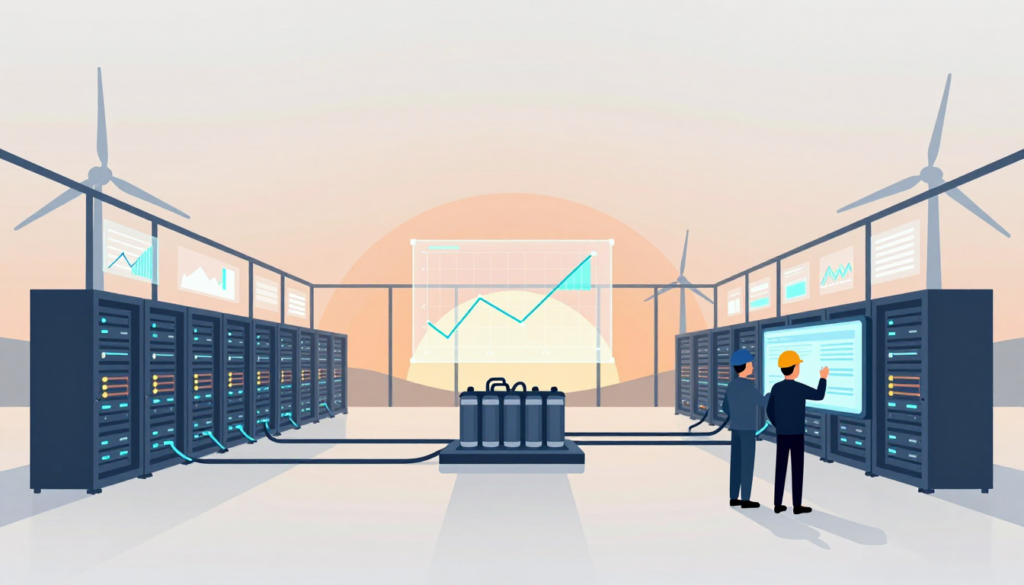
Emerald AI, Google, and NVIDIA announced the launch of the AI Energy Management Alliance (AEMA), a first-of-its-kind coalition designed to advance data centers that dynamically manage electricity use in response to grid conditions. The alliance brings together technology, energy, and policy communities to address power constraints limiting U.S. AI infrastructure expansion. By creating a common framework for performance, reliability, and collaboration, the group aims to help the United States build intelligent infrastructure at the speed and sustainability required by current market demands.
Mechanisms of Grid Flexibility
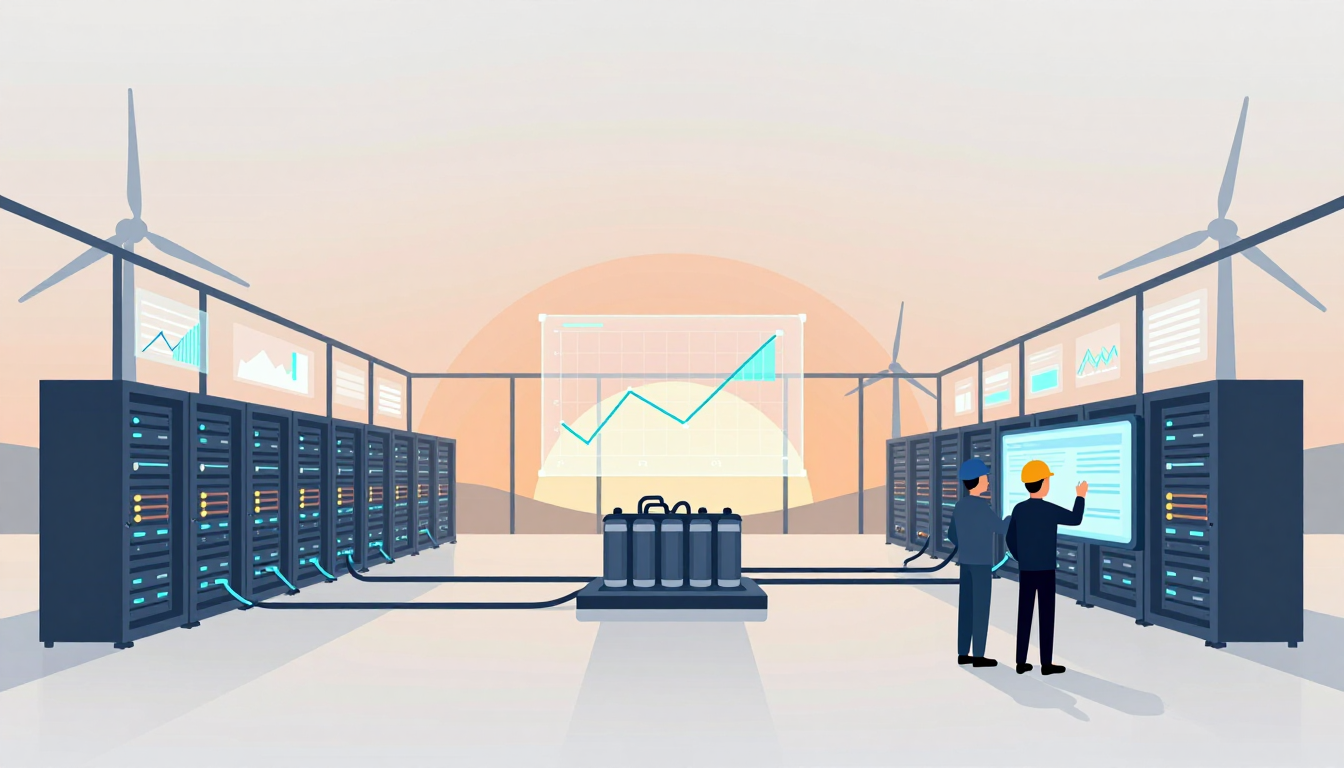
A flexible data center adjusts its electricity draw from the grid through several specific methods, including shifting computing workloads, discharging storage, and utilizing paired generation. Rather than drawing static amounts of power, these facilities respond to system contingencies and grid stress by reducing usage when necessary. This approach allows for dynamic management of energy consumption, ensuring that data centers can operate efficiently even during periods of high electrical demand or instability.
Standards and Operational Obligations
AEMA establishes technology-neutral, performance-based standards for grid flexibility while maintaining reliability through predefined obligations. The alliance defines specific requirements for ride-through, curtailment, and contingency-response before a facility connects to the grid. These rules clarify how facilities must stay connected during brief grid disturbances, reduce power use when needed, and respond to emergencies, setting clear operational expectations for new infrastructure.
Key Software Tools
NVIDIA offers a software tool called DSX Flex to data center operators using its Rubin graphics cards, which optimizes an AI facility’s grid usage, on-premise energy generation equipment, and batteries. Meanwhile, Emerald AI provides the Emerald Conductor platform, enabling server clusters to lower their energy consumption when the grid is under stress. These tools represent the technical backbone of the alliance's strategy to integrate computational flexibility with physical energy management systems.
Broader Industry Participation
The coalition includes partners across the AI, semiconductor, and power sectors, such as Amazon-backed Anthropic, Analog Devices, National Grid, AES, Constellation Energy, and NRG Energy. The alliance will promote faster interconnections for flexible data centers through colocated generation, storage, and computational flexibility. Additionally, AEMA supports policies that recognize flexible AI demand, aiming to broaden its work by deploying models across the U.S. energy landscape.
Addressing U.S. Infrastructure Constraints
The alliance explicitly targets power constraints that currently limit the expansion of artificial intelligence infrastructure across the United States. By enabling facilities to shift workloads, discharge storage, and respond to grid stress rather than drawing static amounts of power, AEMA aims to remove these physical bottlenecks. This approach allows for continued growth in AI capabilities without requiring immediate, massive increases in baseline grid capacity. The coalition focuses on making data centers active participants in energy management rather than passive consumers.
National Deployment and Policy Integration
AEMA intends to broaden its impact by uniting technology, energy, and policy communities around models that can be deployed across the entire U.S. This cross-sector collaboration is designed to create a unified framework for flexible data center operations nationwide. By bringing these distinct groups together, the alliance seeks to standardize how grid flexibility is implemented and regulated. The goal is to ensure that technical solutions are aligned with broader energy policies and infrastructure needs at a national scale.
- Emerald AI, Google and NVIDIA Launch Alliance to Advance Flexible AI Data Centers | NVIDIA Blog
- Google, NVIDIA, Emerald AI Launch Grid-Flexible Data Center Alliance | VFF – The signal in the noise
- Google, Nvidia, Emerald AI Launch Alliance to Advance Flexible Data Centers
- Nvidia, Google and Emerald AI launch flexible data center consortium – SiliconANGLE