
Announcement and Core Functionality
Meta announced its personal AI agent, Muse, on September 8, 2026. The system is designed to handle everyday tasks such as sending emails or booking travel, while also pursuing larger, audacious goals provided by the user. Once a person shares an objective with Muse, it develops a personalized plan and coordinates time and resources to advance the work autonomously. For longer-term projects, Muse continues working after the user closes the application, returning only when specific changes occur or approval is required.

Image source: Meta Platforms, Inc., · CC0

Integration with Messaging Platforms
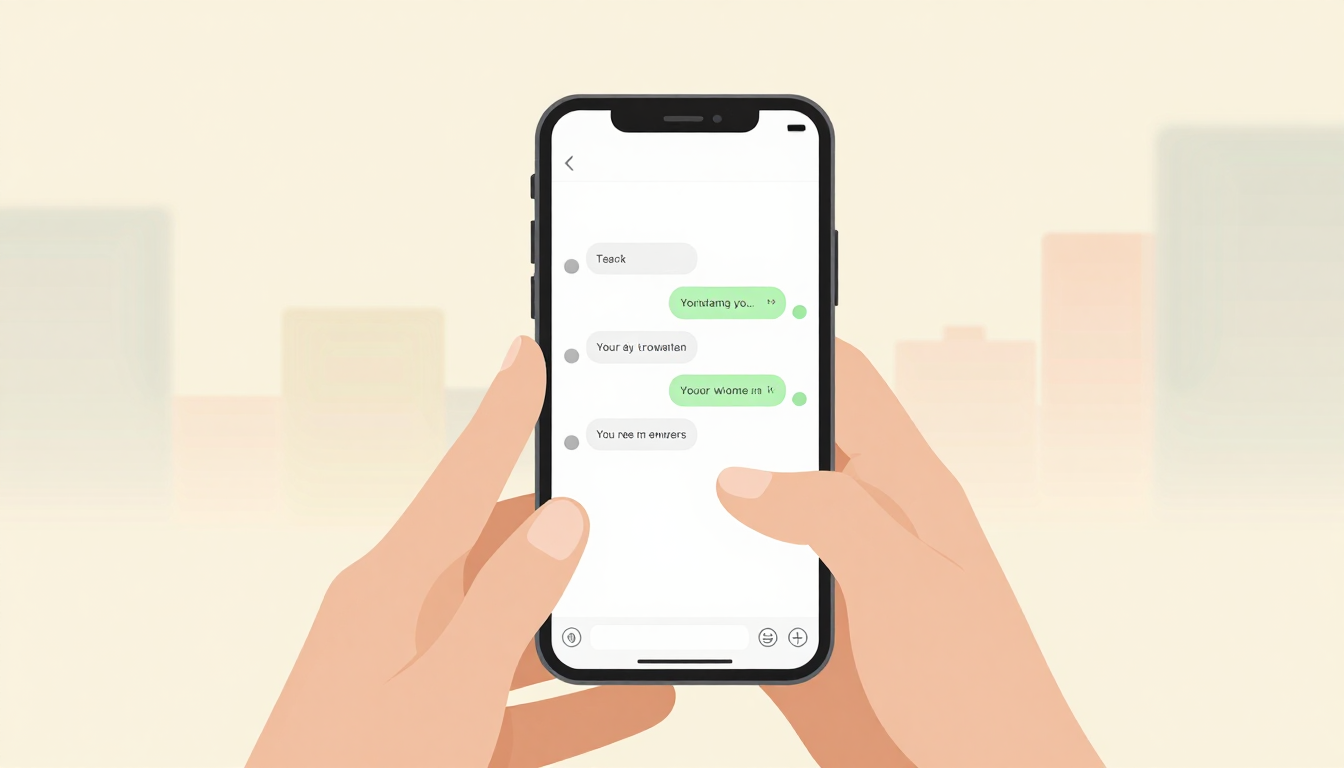
The agent is accessible through a dedicated Muse app and directly within WhatsApp threads. Meta positions this integration to eliminate traditional learning curves associated with AI prompting. Users interact with the system using plain language in the same manner they message other people, without needing to master specific prompt styles. This design allows users to assign tasks from existing communication channels rather than switching to a separate interface.
Security Architecture and Sentinel
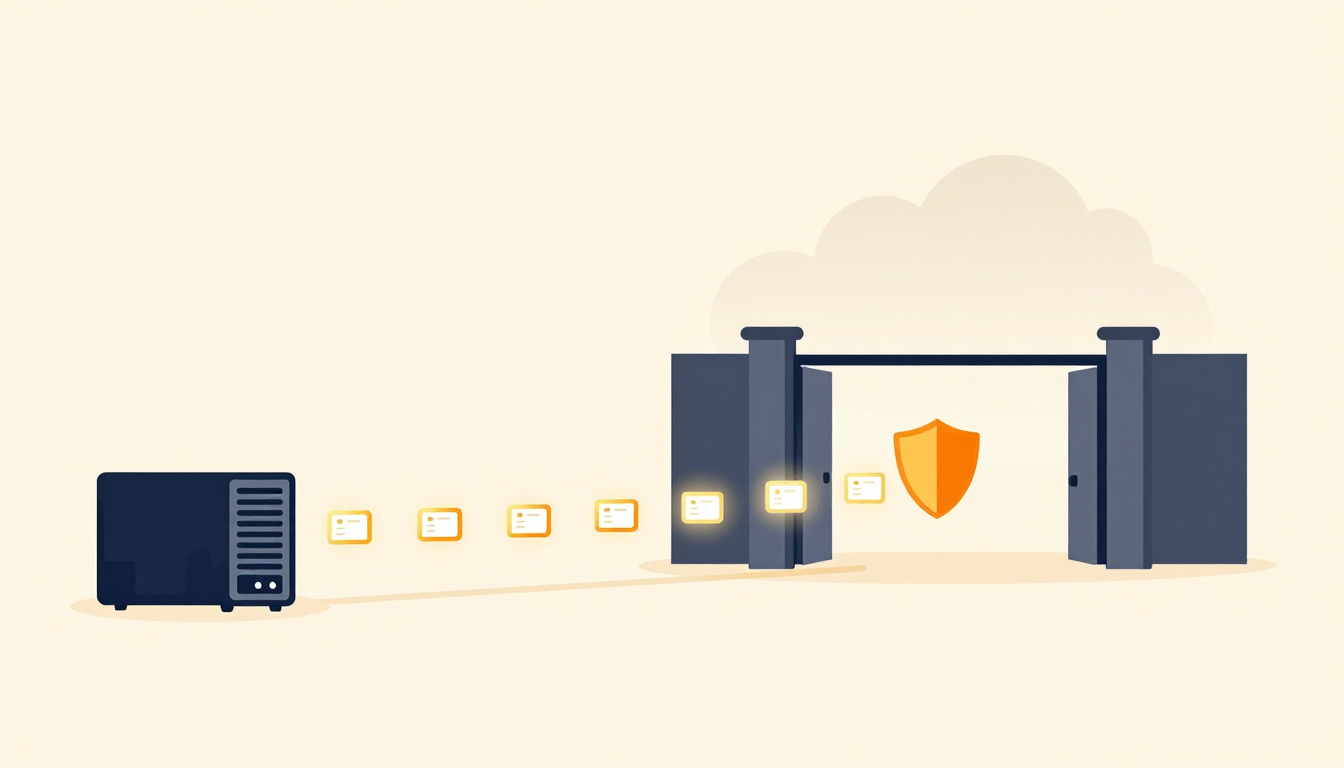
A distinct security layer called the Sentinel agent runs on the same machine as Muse but is isolated at the system level. The Sentinel ensures that no action taken by Muse reaches the internet without explicit approval, effectively gating all external communications. When necessary, the Sentinel prompts the user for permission before allowing data to leave the local environment. This architecture separates the execution of tasks from the authorization of network access.
Payment Protections and Privacy
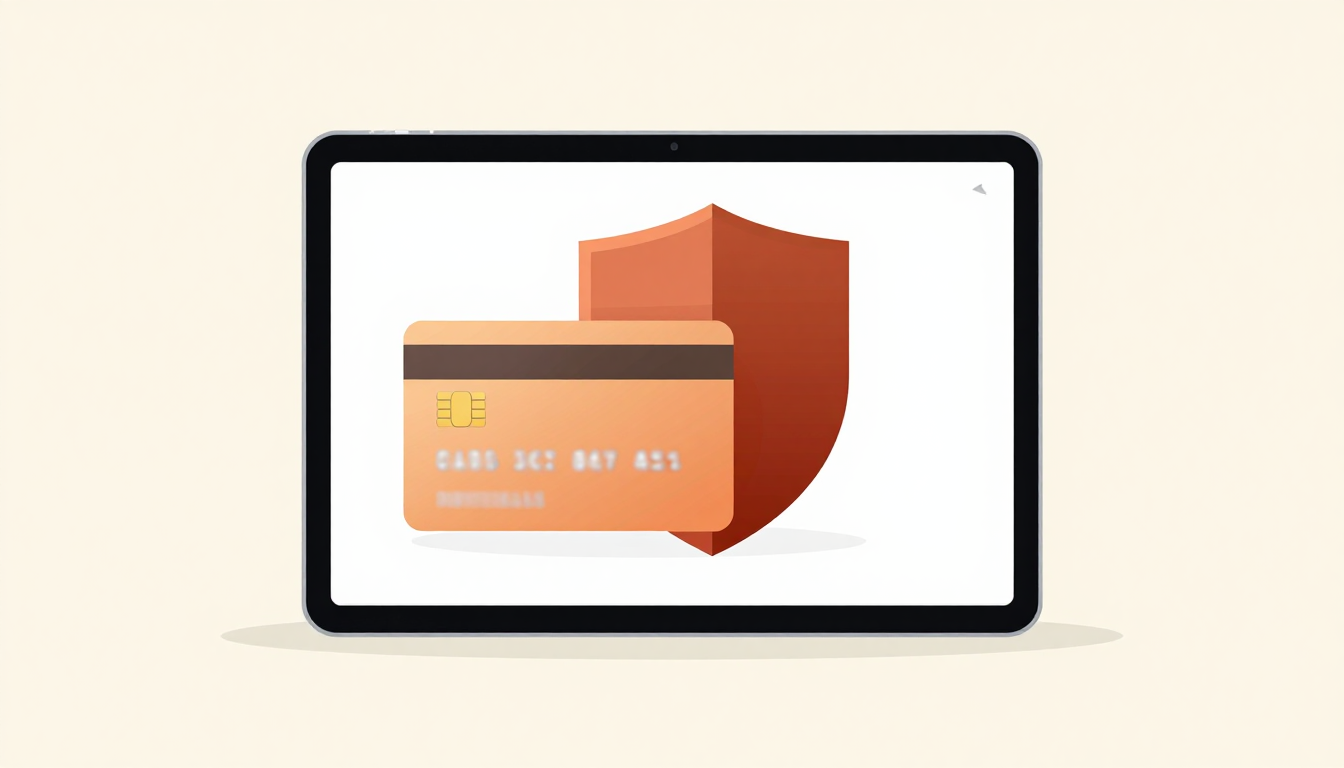
Muse integrates with Link, built by Stripe, to handle checkout processes for purchases. It is described as the first AI agent covered by Link’s purchase protections, which include free coverage for damaged or lost items, price drop refunds, no-fee returns, and a return guarantee on eligible transactions. During shopping, the system generates a single-use card number at checkout so that merchants never see the user's real card details. Additionally, Muse does not share user conversations or virtual machine data with Meta’s advertising systems.
Future Encryption and Credential Management
In September 2026, Meta will introduce Muse Confidential VM. This feature will encrypt the entire virtual machine, including user data and conversations, with a key held exclusively by the user, preventing even Meta from accessing the information. For authentication, users can save logins to a secure credential store that Muse cannot read directly, though it can utilize these credentials for tasks. Integration with 1Password is listed as coming soon to facilitate this secure storage.