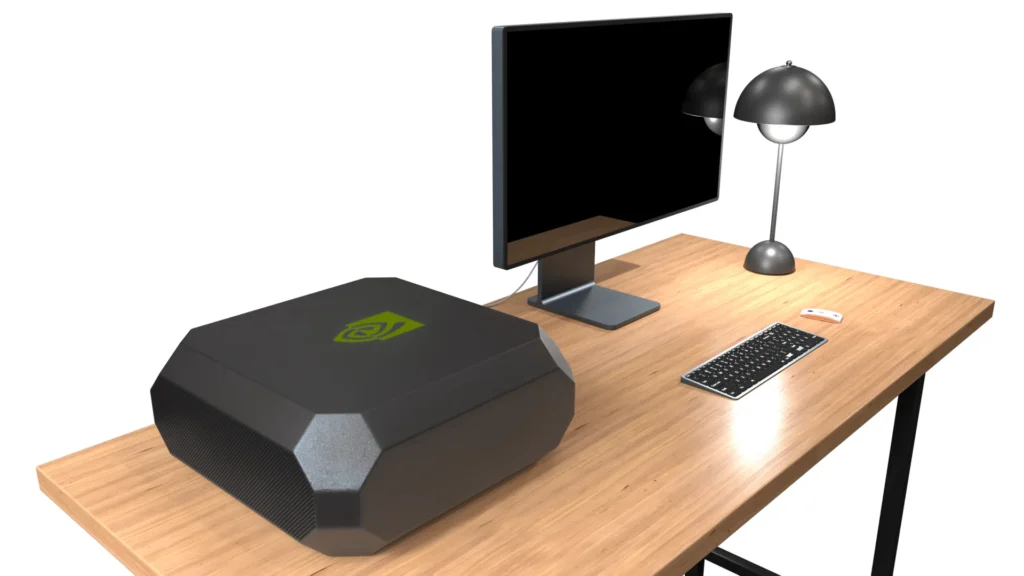
Windows Launch and Hardware Thresholds
On September 14, 2026, Perplexity announced that Portable Computer is now available in the Perplexity app for Windows. This release marks the third operating system for the product, which initially launched as a Linux-only tool in August 2026. The platform requires an NVIDIA GeForce RTX or NVIDIA RTX PRO GPU equipped with at least 24GB of VRAM to function. Support for NVIDIA DGX Station systems is expected to arrive soon after this initial Windows rollout. The launch introduces two new capabilities: local MCP connections and scheduled tasks. Portable Computer runs the harness, agents, and underlying models on the user's own PC, allowing it to work with local files and connected apps like Outlook, Gmail, and GitHub without sending those tasks to the cloud. The app simplifies setup by using a local model, such as Qwen 3.8 27B, which is post-trained to work with Perplexity Computer and optimized for NVIDIA RTX GPUs.
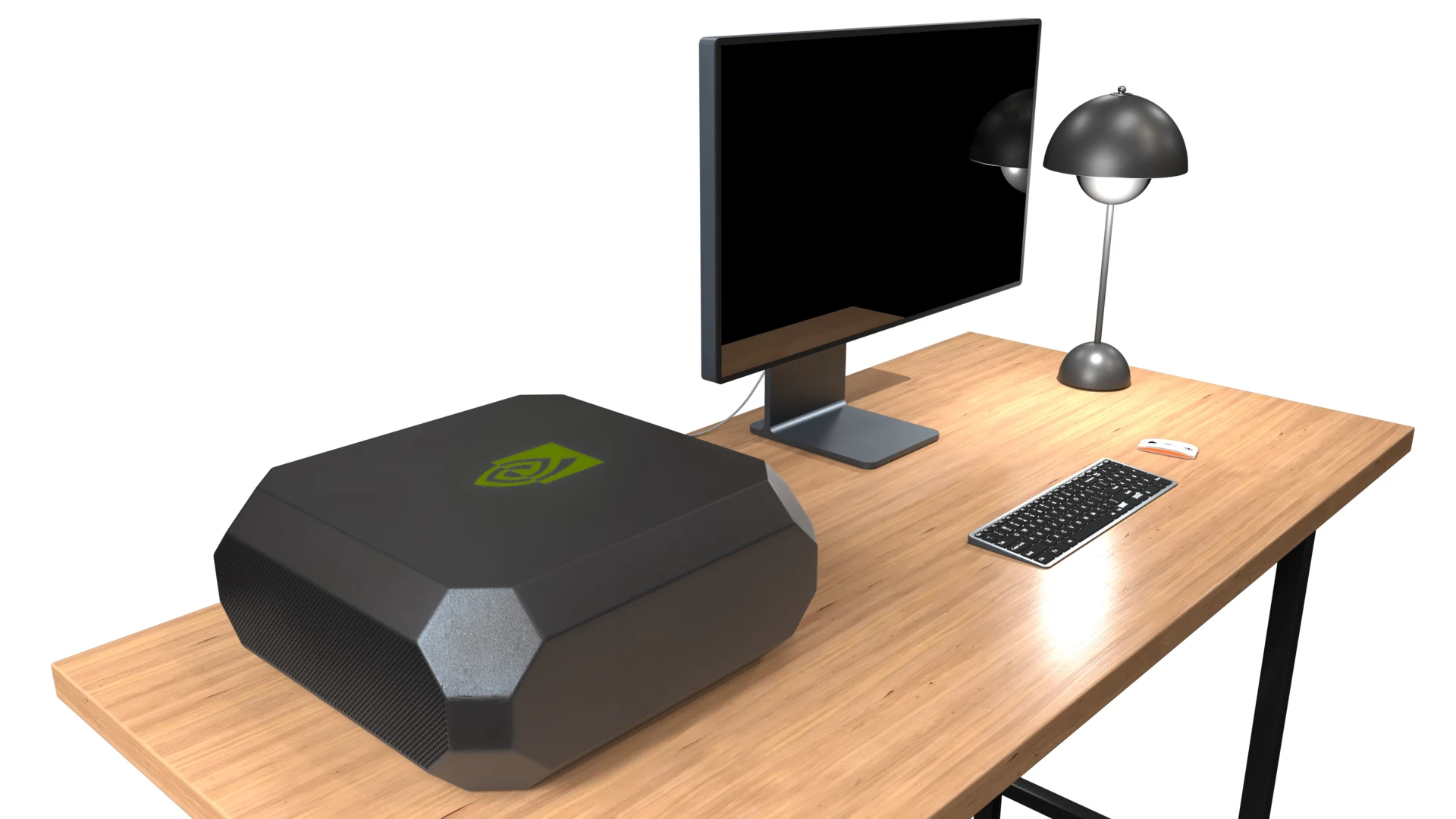

On-Device Inference and Data Privacy
Portable Computer runs the harness, agents, and underlying models on the user's own PC. This architecture allows the system to analyze data and connect information across files without sending sensitive tasks to the cloud. Perplexity specifically cites Outlook, Gmail, and GitHub as examples of connected applications that can be accessed locally. The local agent platform allows users to analyze data and automate tasks directly on their device. Recurring work — Perplexity's own example is a daily stock report — can run on the PC while the user is away, without a person triggering each run manually.

New Capabilities for Automation
The Windows release introduces two distinct features: local MCP connections and scheduled tasks. The inclusion of a Model Context Protocol client represents a concrete example of this pattern embedded in a consumer product, operating entirely on the user's machine. Scheduled tasks enable recurring work to run automatically while the user is away from the computer. Perplexity provides a daily stock report as an illustrative example of this automated capability.

Model Optimization and Setup
The application simplifies setup by utilizing local models that are post-trained to work specifically with Perplexity Computer. One such model, Qwen 3.8 27B, is optimized for NVIDIA RTX GPUs. These local models handle multistep planning and execution tasks directly on the hardware. The system's design focuses on leveraging high-memory graphics cards to manage complex local processing requirements. Specifically, Portable Computer is available for NVIDIA GeForce RTX and RTX PRO GPUs with 24GB or more of VRAM. This memory threshold ensures sufficient capacity for the underlying models to analyze data and connect information across files without offloading tasks to the cloud.
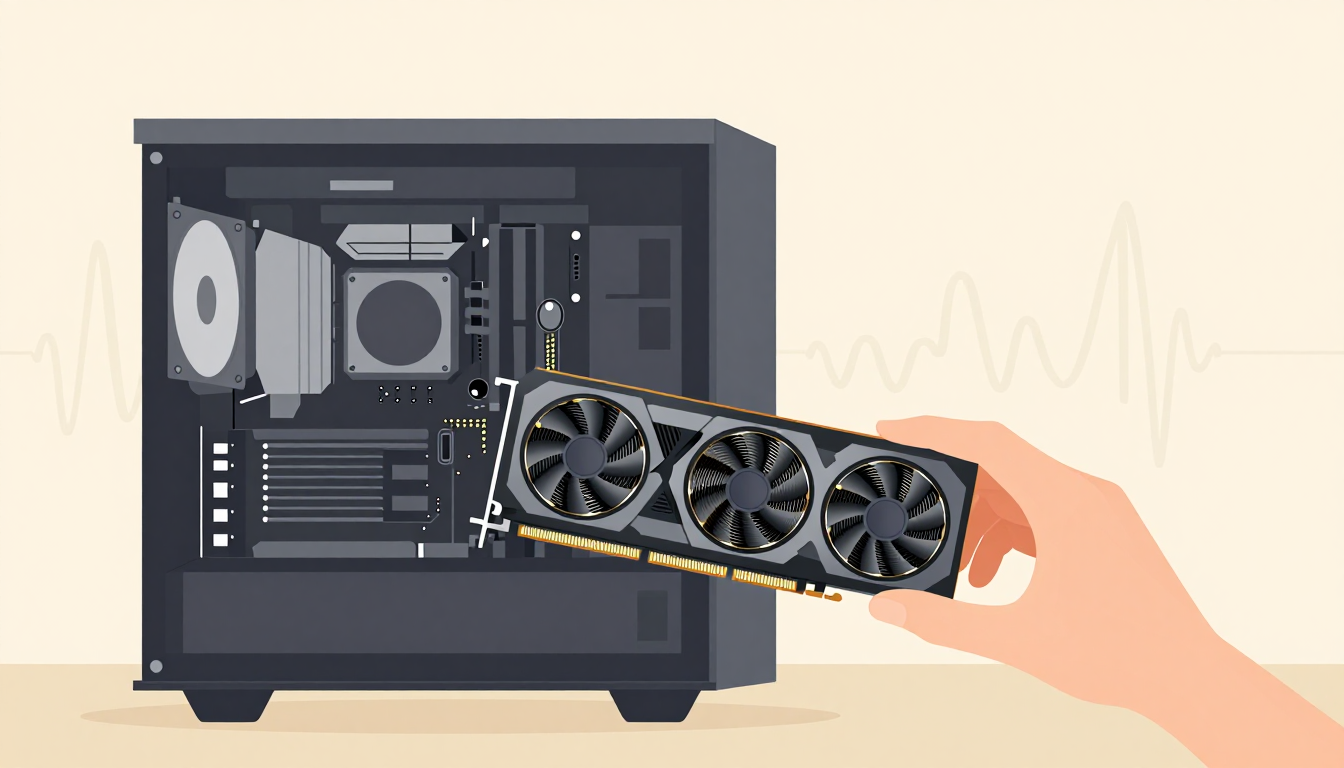
Hardware Requirements and Availability
The current release remains focused on classical GPU acceleration using RTX hardware, specifically requiring 24GB or more of VRAM to ensure sufficient memory for complex local model processing. NVIDIA has highlighted NVQLink architecture as a low-latency pathway for integrating quantum processors with GPU supercomputers, a technology demonstrated with partners like Quantinuum and QuEra Computing.
- Perplexity Portable Computer Is Now Available on Windows, Powered by NVIDIA RTX | NVIDIA Blog
- Perplexity Portable Computer: Now on Windows RTX GPUs (2026) | explainx.ai Blog | explainx.ai
- Perplexity Agent Now Runs Privately On Windows PCs With NVIDIA RTX
- Perplexity portable computer is now available on Windows