Above-Average Rainfall Drives the 2026 Season
The exceptional wildflower displays of 2026 were driven by specific meteorological patterns that exceeded historical norms. In Western Australia, rainfall totals were above average in June and significantly higher than usual in August, a trend attributed to several cold fronts moving through the region according to Australia’s Bureau of Meteorology. Similarly, Death Valley National Park noted that above-average rainfall during the fall and winter of 2025 set the stage for the current season. These consistent precipitation events provided the necessary moisture to break dormancy in arid ecosystems.
Early Rains Activate Dormant Seed Banks
The timing of these rains was critical for biological impact, allowing dormant seeds to germinate earlier than typical. In Western Australia, early winter rains activated the soil’s “seed bank,” resulting in a season described as the best in more than a decade. This early moisture allowed many species that had remained dormant for years to sprout simultaneously. Consequently, observers noted a “free-for-all” blooming event where diverse varieties appeared at once, rather than the staggered emergence seen in average years.
Western Australia’s Late Winter Peak
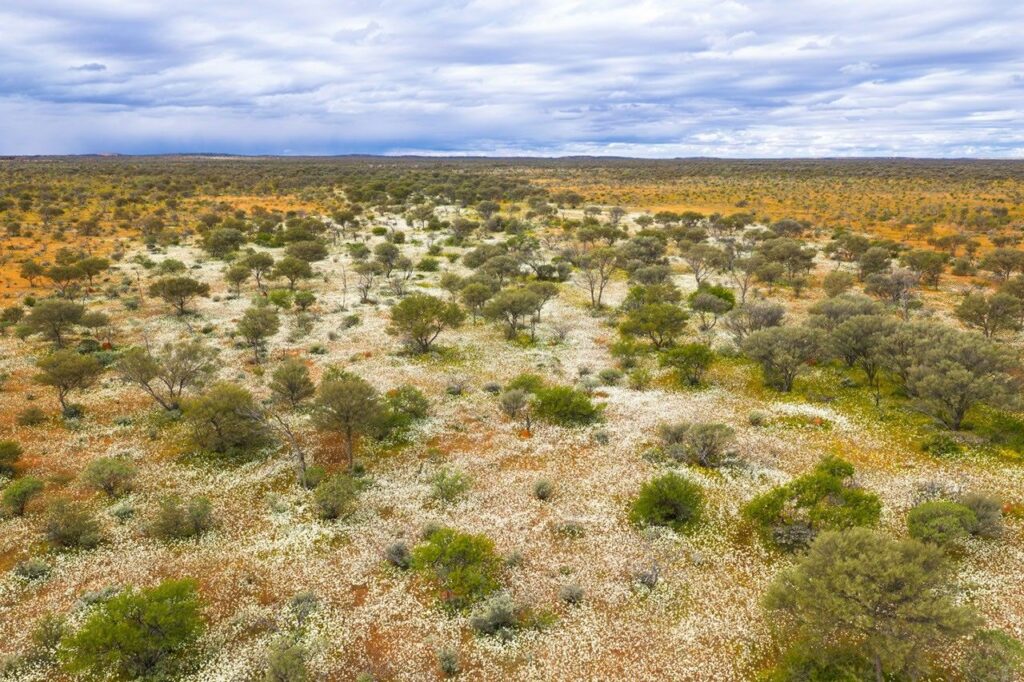
In Western Australia, the bloom reached its peak during late austral winter 2026. The landscape was described as bursting with life, where vivid wildflower colors contrasted sharply against the rusty ochre of the arid shrublands. Specific species such as White Pom Pom (Cephalipterum drummondii) were observed surrounding radio telescope antennas in the region. This visual density indicates that the bloom was at its most intense during this late winter period.
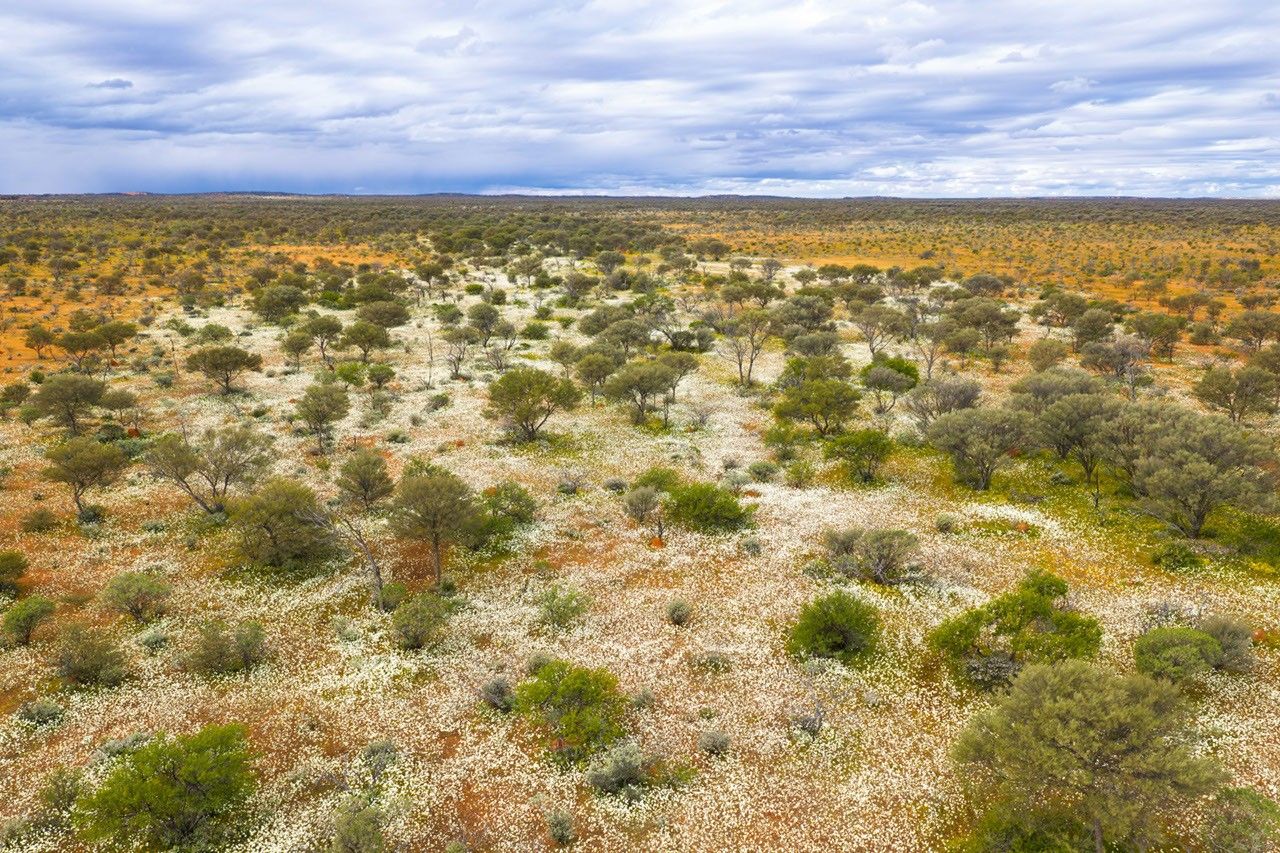
Image source: NASA Earth Observatory / Lauren Dauphin
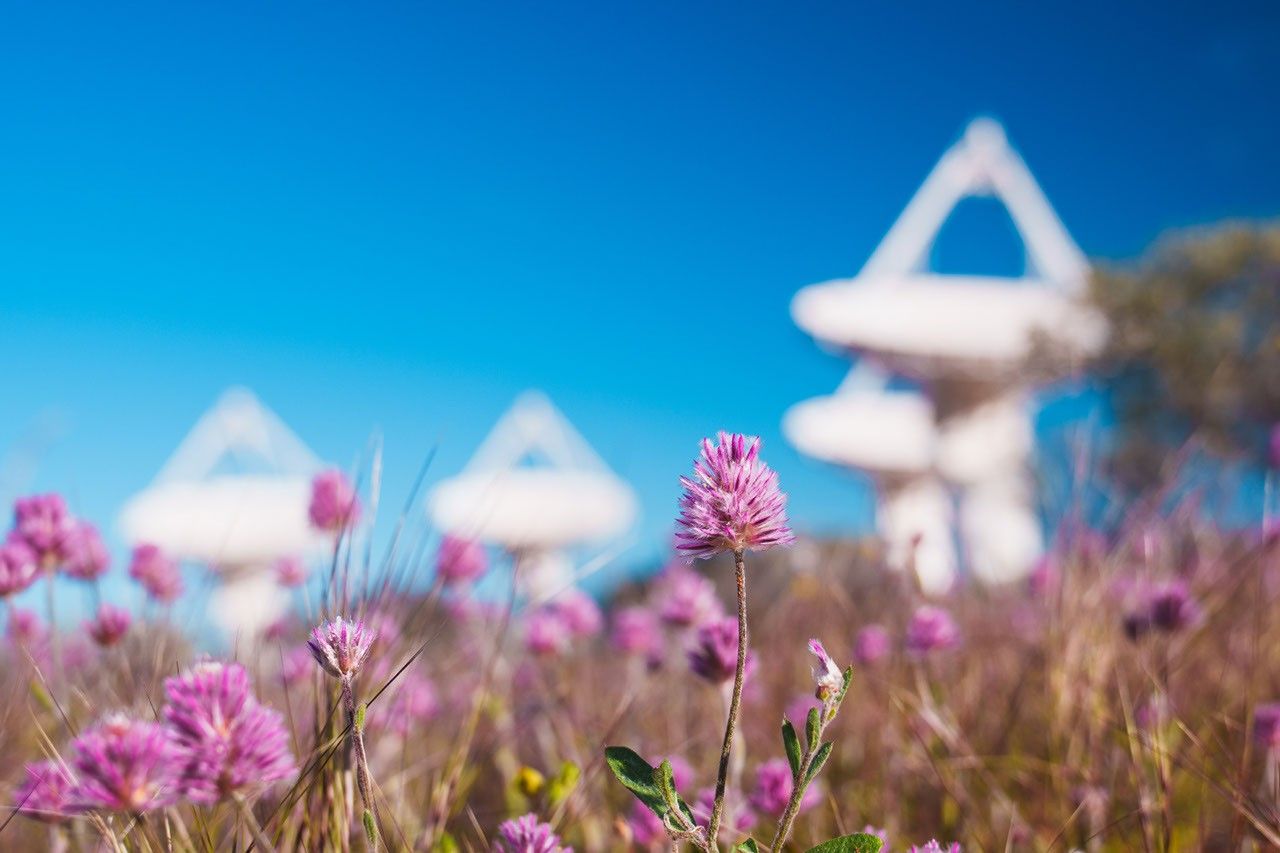
Image source: NASA Earth Observatory / Lauren Dauphin
Death Valley’s Variety Over Density
The 2026 superbloom in Death Valley differed from previous years in terms of density versus variety. While the flowers were not as dense as during the 2023 superbloom, the 2026 season featured greater species diversity. By early to mid-March, fields of Desert Gold and Phacelia lined Badwater Road. The 2023 season had been driven by monsoon rains from the previous summer combined with cool winter conditions, whereas 2026 relied on fall and winter precipitation.
Current Status: Low Elevation Blooms Have Ended
As of the latest updates, the main phase of the 2026 superbloom in Death Valley is over. Low-elevation flowers, which previously created hillsides of yellow and purple color, have now set seed. Higher elevations currently exhibit only scattered blooms that form small clusters between shrubs rather than continuous fields. Visitors seeking the iconic dense carpets of flowers should note that these specific low-elevation displays are no longer visible.